
The Enlightenment Day of Avalokiteshvara Bodhisattva – 19th of the 6th Lunar Month (Leap Month): Meaning and Practice
The 19th day of the 6th lunar month is one of the three great commemoration days of Avalokiteshvara Bodhisattva – the compassionate Bodhisattva who is ever near, ever listening to the cries of all beings. This is an important occasion for Buddhists to turn their hearts toward remembering Her vow to relieve suffering, while cultivating compassion, inner peace, and virtuous deeds.
The 19th day of the 6th lunar month is one of the three great commemoration days of Avalokiteshvara Bodhisattva – the compassionate Bodhisattva who is ever near, ever listening to the cries of all beings. This is an important occasion for Buddhists to turn their hearts toward remembering Her vow to relieve suffering, while cultivating compassion, inner peace, and virtuous deeds.
Avalokiteshvara Bodhisattva – The Embodiment of Boundless Compassion
According to the Lotus Sutra, in the chapter on the Universal Gate, Avalokiteshvara Bodhisattva is said to manifest in countless forms – appearing according to each being's circumstances and capacity, so as to bring salvation to all. Her boundless compassion is likened to a mother's love for her child: gentle, protective, and given without condition.
Beyond Buddhism, the image of Avalokiteshvara is deeply woven into Vietnamese cultural life – a benevolent, familiar figure who brings a sense of peace to all who behold Her.
The Meaning of the 19th Day of the 6th Lunar Month
The commemoration of Her enlightenment (19th of the 6th lunar month) marks a pivotal milestone in Avalokiteshvara Bodhisattva's path to awakening. On this day, Buddhists commonly hold ceremonies, recite sutras, chant Her name, and make vows of practice.
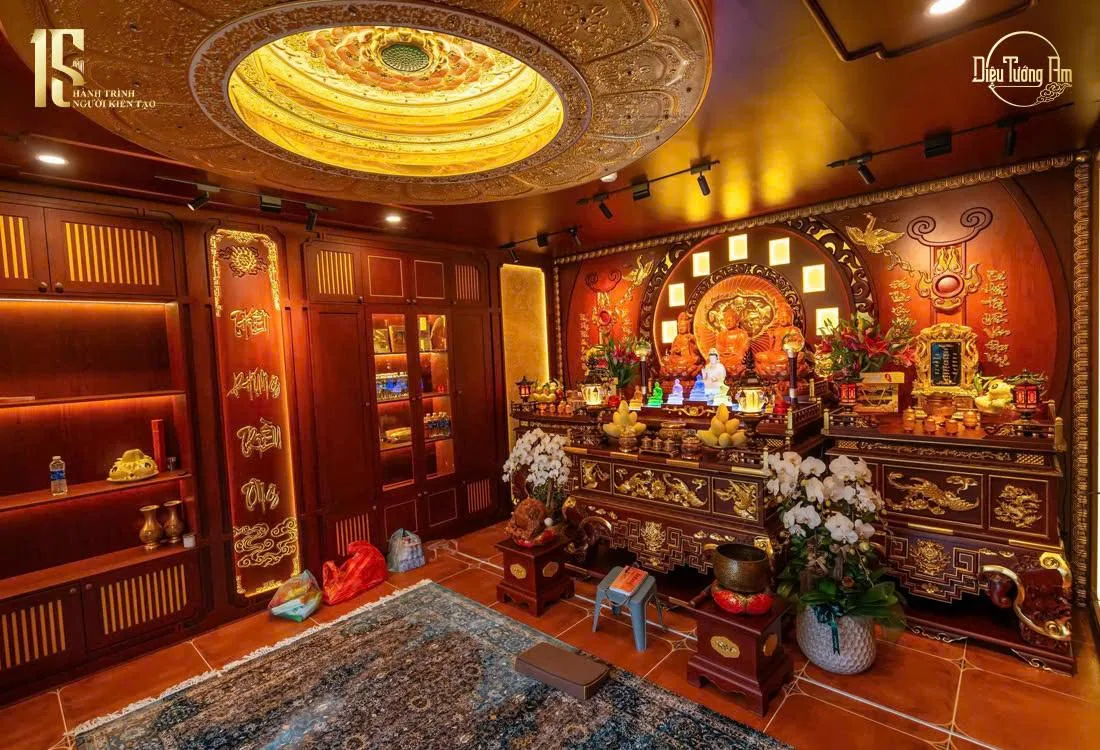
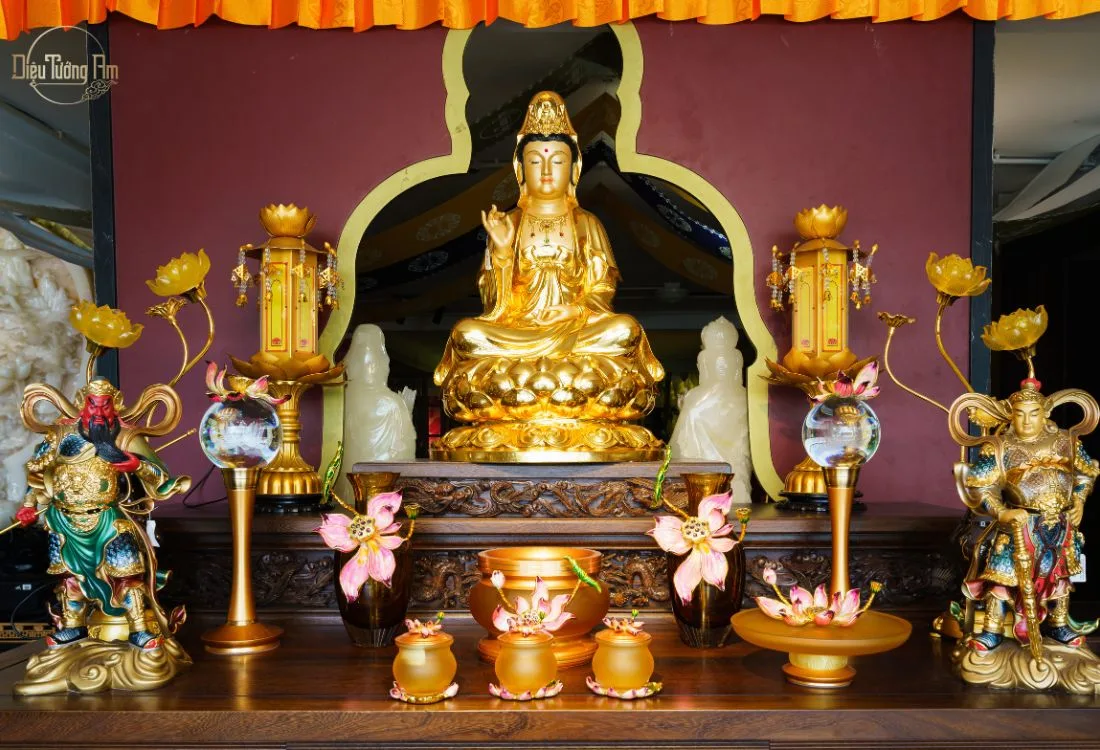
Beyond its commemorative significance, this is also considered an auspicious time to enshrine a statue of Avalokiteshvara at a temple or in one's home. Doing so both sanctifies the worship space and serves as a lasting reminder of Her compassion and sacred vows.
Three Fundamental Vows to Practice
On the day of Her enlightenment, Buddhists commonly reflect upon and renew three core vows:
1. The Vow of Compassion – To love and honor oneself, both strengths and shortcomings alike, in order to grow toward truth, goodness, and beauty.
2. The Vow of Patience – To follow Her example of patient endurance, transforming suffering, keeping the mind at peace, and turning resentment into joy.
3. The Vow to Listen with an Open Heart – To welcome the voices of the world with understanding and empathy, so that love may spread ever further.
Why Enshrine a Statue of Avalokiteshvara on Her Enlightenment Day?
Choosing to enshrine a statue of Avalokiteshvara Bodhisattva on this sacred occasion carries deep meaning:
- Connecting with compassionate energy: Helping the household and all who come to pay homage feel a sense of peace and ease.
- A daily reminder to practice virtue: The statue serves as a living reminder to lead a kind and tolerant life.
- Cultivating blessings: Enshrining a statue on this commemoration day is regarded as especially auspicious.
- Preserving spiritual heritage: Honoring cultural and spiritual values within modern life.
A Blessing for the Day of Avalokiteshvara
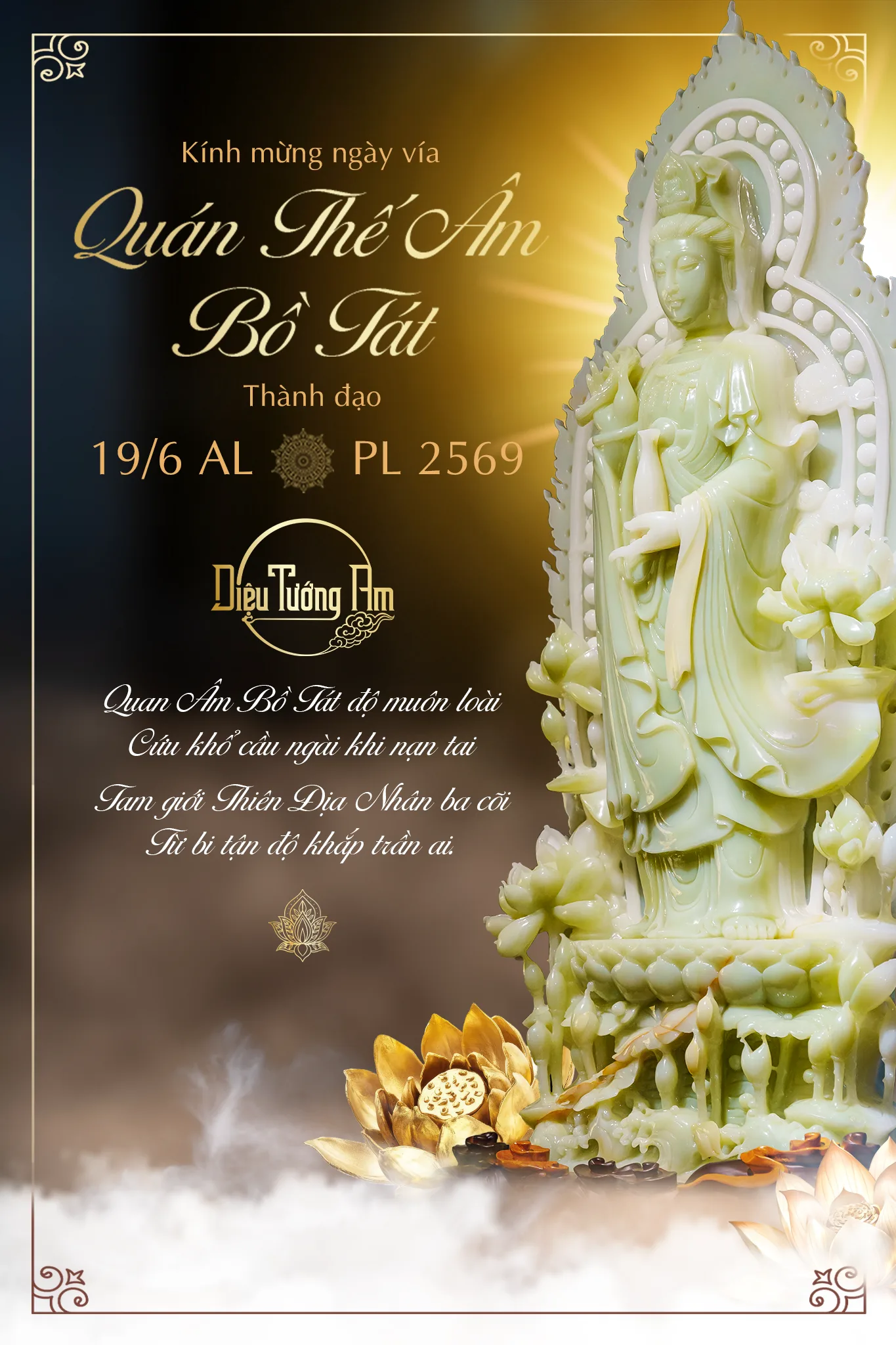
“Avalokiteshvara delivers all beings from suffering,
Her name invoked in times of hardship and peril,
Through Heaven, Earth, and the realm of Man,
Her boundless compassion delivers all from worldly woe.”
(Nguyễn Xuân Chiến)
At Diệu Tướng Am, we offer statues of Avalokiteshvara Bodhisattva in a wide range of sizes and materials (jade, bronze, wood, and more), crafted with masterful skill and precision, faithful to sacred iconographic standards, and suited for both temples and private homes.
May the presence of Avalokiteshvara's statue accompany you, sowing seeds of peace and compassion in every moment of life.
With utmost reverence and care!