
10 WAYS TO CREATE MERIT AND BLESSINGS
Merit and blessings—also known as good fortune or virtuous karma—are the wholesome, auspicious things that come to each person, each family, or, more broadly, each nation. Merit is created and accumulated through each person's wholesome karma. The Buddha taught that we can create merit (blessings) through the following 10 ways. We warmly invite you to read and put them into practice.
Merit and blessings—also known as good fortune or virtuous karma—are the wholesome, auspicious things that come to each person, each family, or, more broadly, each nation. Those with abundant merit tend to live in peace, with more good fortune and success than others. As a result, they often help others and perform good deeds, which further deepens their merit, allowing future generations to inherit these blessings.
Merit is created and accumulated through each person's wholesome karma. The Buddha taught that we can create merit (blessings) through the following 10 ways. We warmly invite you to read and put them into practice.
1. Giving and Offering (Dana)

In Buddhist teaching, giving and making offerings is a noble practice—the foundation of all virtuous conduct and the most wholesome of all wholesome karma. It is also the first way to create merit that you should practice.
By nature, human beings in this earthly life constantly desire to have more, to gain more, rarely knowing what is "enough" and seldom feeling satisfied with what they already possess. This very nature gives rise to greed, anger, delusion, and wrong views in sentient beings. To reduce and eliminate greed, anger, and delusion, one must practice giving and offering. Giving what is one's own to others, or offering it up to the Sangha and the Buddha with a pure heart—without calculation, comparison, or expectation of return—is precisely the way to dissolve greed and selfishness. What could seem simpler, yet yield such immeasurable merit!
2. Observing the Precepts
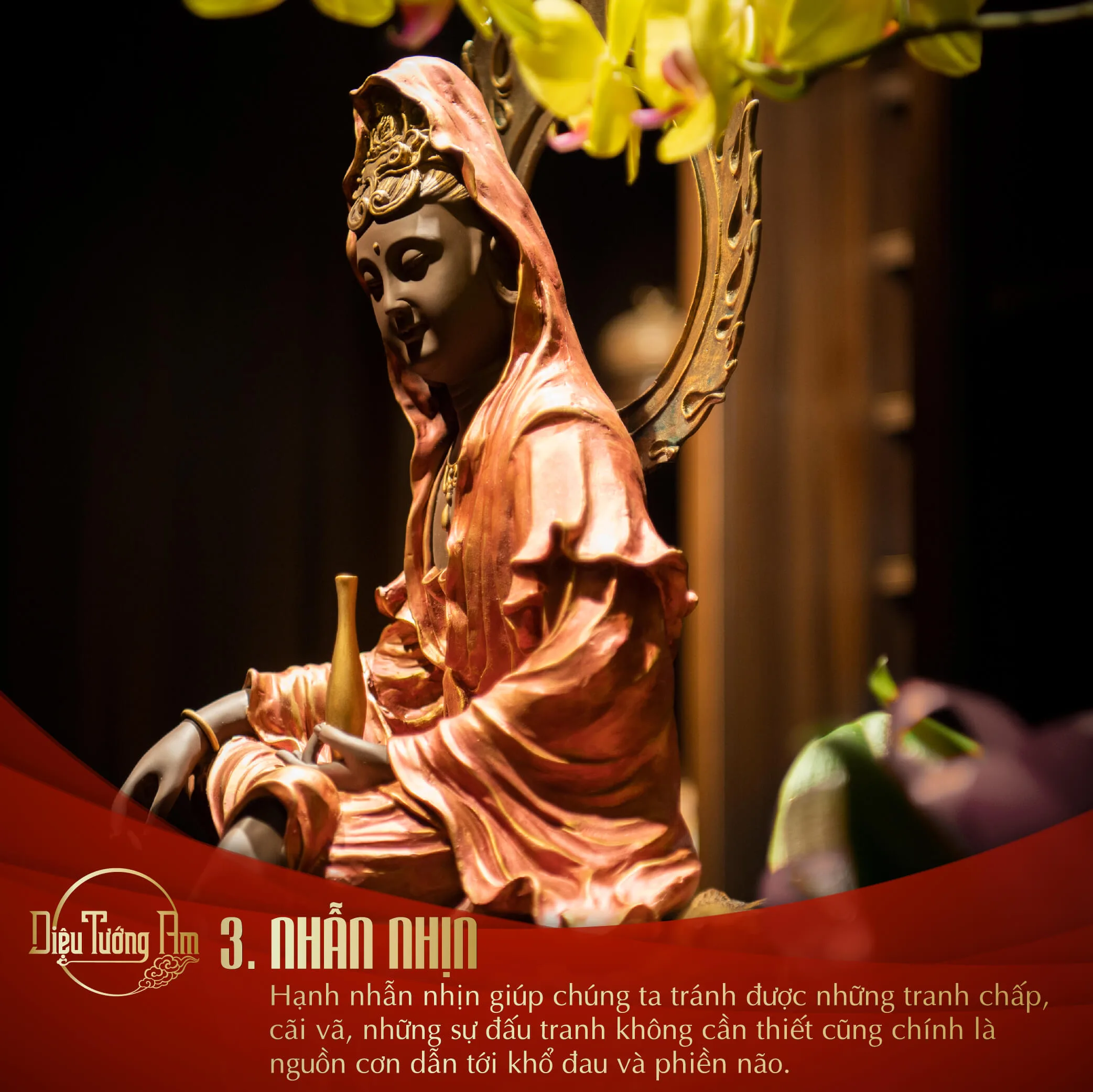
Observing the precepts means living in accordance with the Buddha's moral teachings, whether one is a lay practitioner, a monastic, or even someone who has not yet become a Buddhist. Observing the precepts includes not lying, not falsely accusing others, not distorting the truth—in short, maintaining pure conduct and a tranquil mind. This is a way of creating merit that we can enjoy in this very life and carry forward into the next.
3. Patience and Forbearance
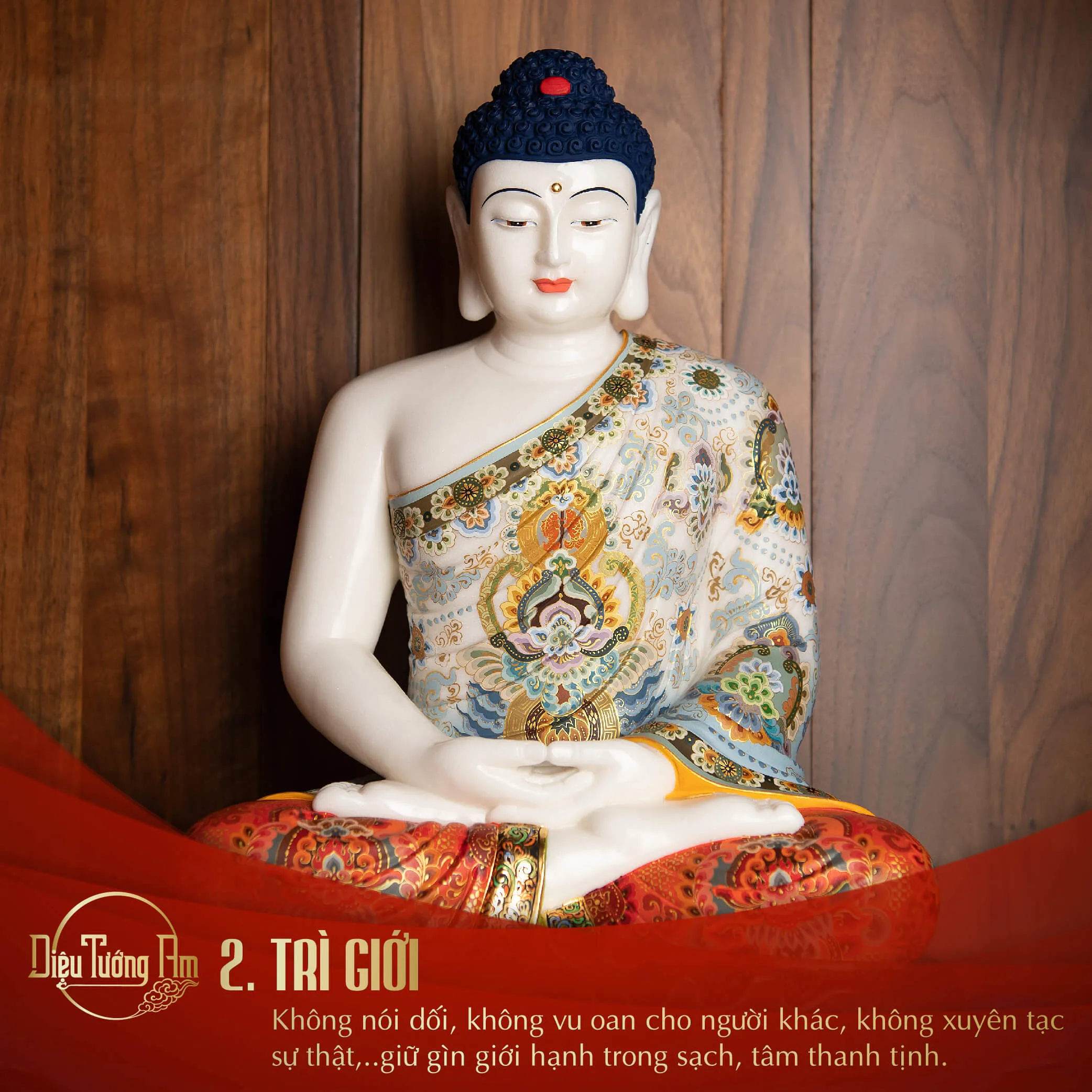
The practice of patience helps us avoid disputes, quarrels, and unnecessary conflicts—the very roots of suffering and affliction. As the Vietnamese saying goes, "One act of forbearance brings nine blessings," meaning that instead of arguing, we practice patience, refraining from stoking resentment, fueling anger, or letting anger drive us to commit harmful acts. If everyone could cultivate this virtue of patience, how peaceful society would be, and how abundant our merit would grow.
4. Diligence (Viriya)
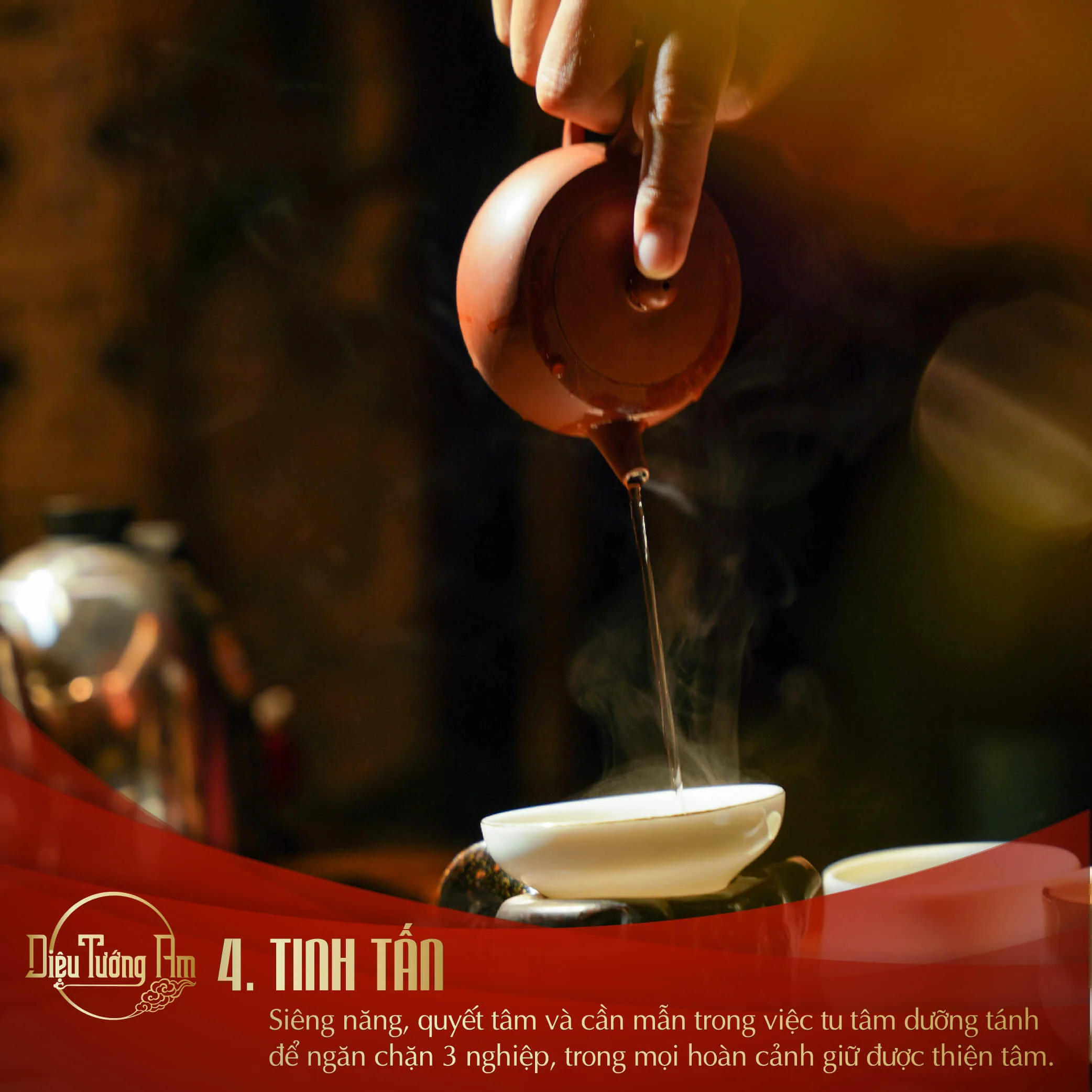
Diligence means being industrious, resolute, and steadfast in cultivating the mind and character in order to guard against the three karmic actions. This means maintaining a wholesome mind in every circumstance, and in every action—walking, standing, lying down, or sitting—keeping the mind calm and pure, free from scattered thoughts, gossip, and wrongdoing, without letting the mind waver. This practice not only brings merit to oneself but also brings peace to everyone around.
5. Meditation (Dhyana)
In life, there are times—sometimes very many times—when we must endure ups and downs, storms and calm, joy and sorrow, happiness and suffering, all of which can leave our minds unsettled, troubled, anxious, and burdened.
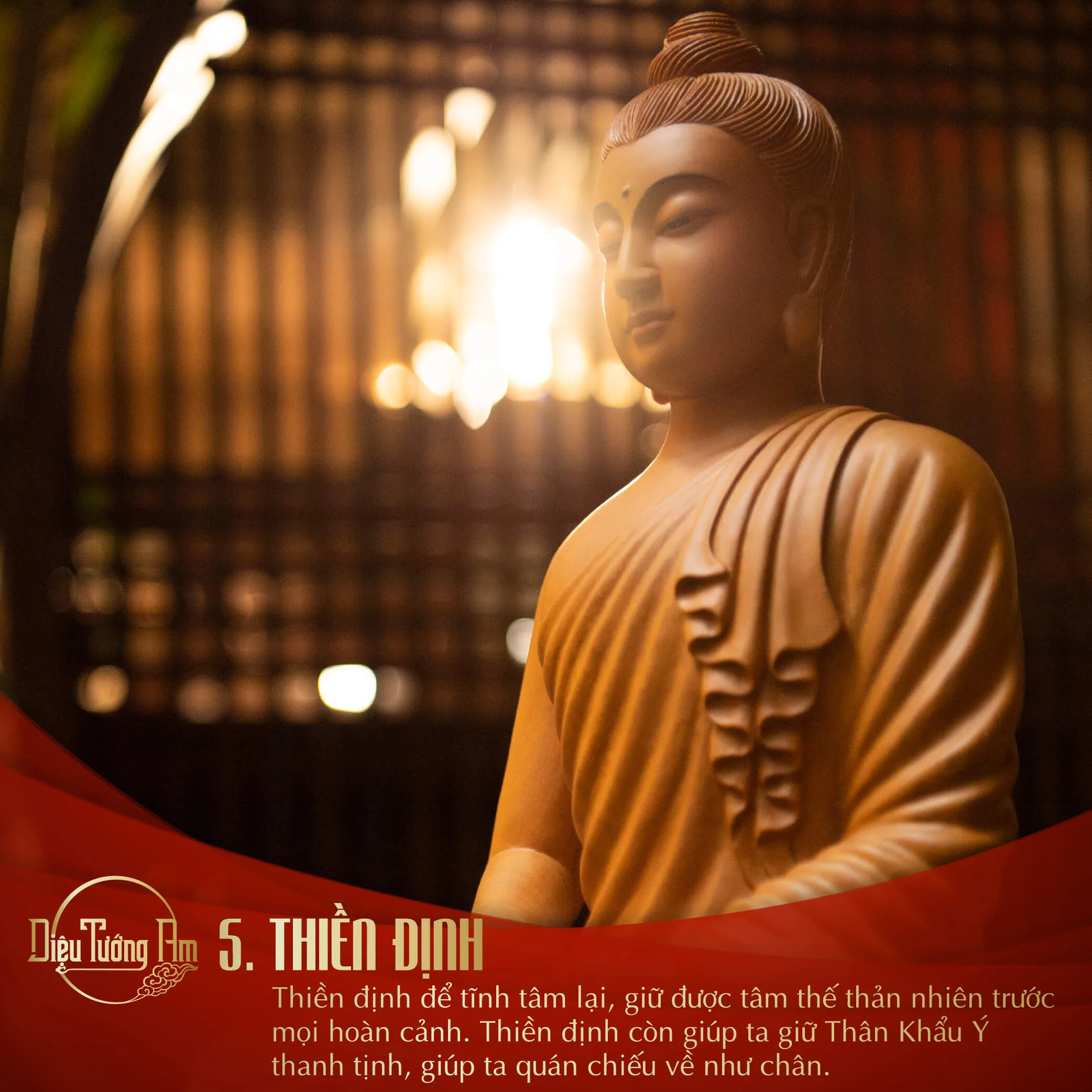
At such times, we need meditation to calm the mind and remain composed in the face of any circumstance. Meditation also helps us keep body, speech, and mind pure, and helps us contemplate our true nature (the original mind and body, pure and undefiled). When we no longer generate new karma, our merit becomes boundless and immeasurable.
6. Wisdom (Prajna)
Wisdom here does not merely mean broad learning or vast knowledge, but also encompasses clear insight into all people and things around us, leading to enlightenment and liberation—and only then can true peace and happiness be attained. A person of wisdom holds right view, is free from superstition, delusion, and wrong views.
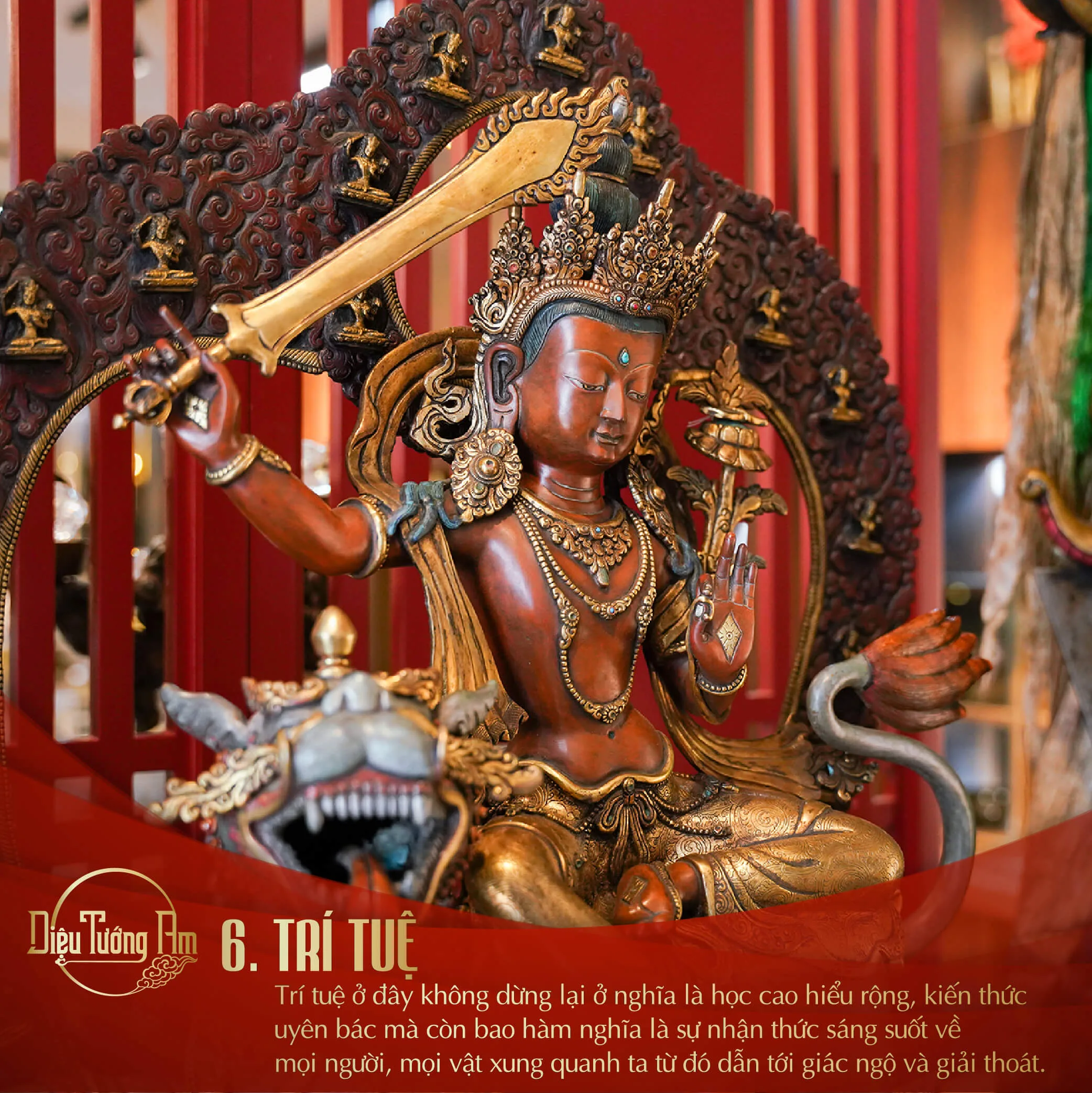
Understanding all things and events in the world correctly is how we maintain a calm and composed mind when facing adversity, thereby avoiding suffering and affliction. This, too, is a way of creating merit and warding off misfortune.
7. Dedicating Merit
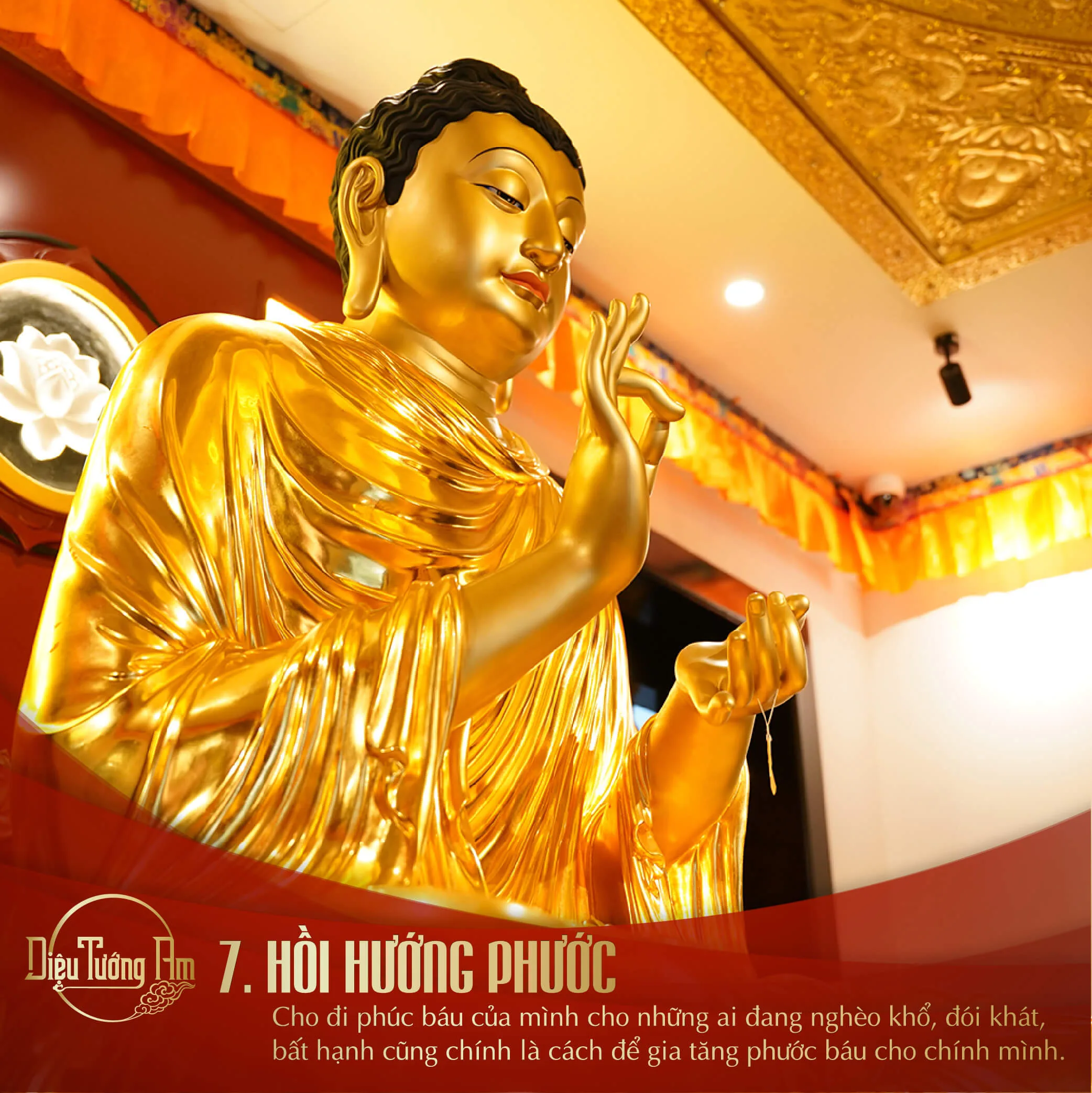
Dedicating merit means sharing one's own merit with loved ones and those around us, for according to Buddhist teaching, all sentient beings are equal and interconnected—whether in this life, past lives, or future lives. For this reason, dedicating merit and giving one's blessings to those who are poor, hungry, or suffering is itself a way to increase one's own merit.
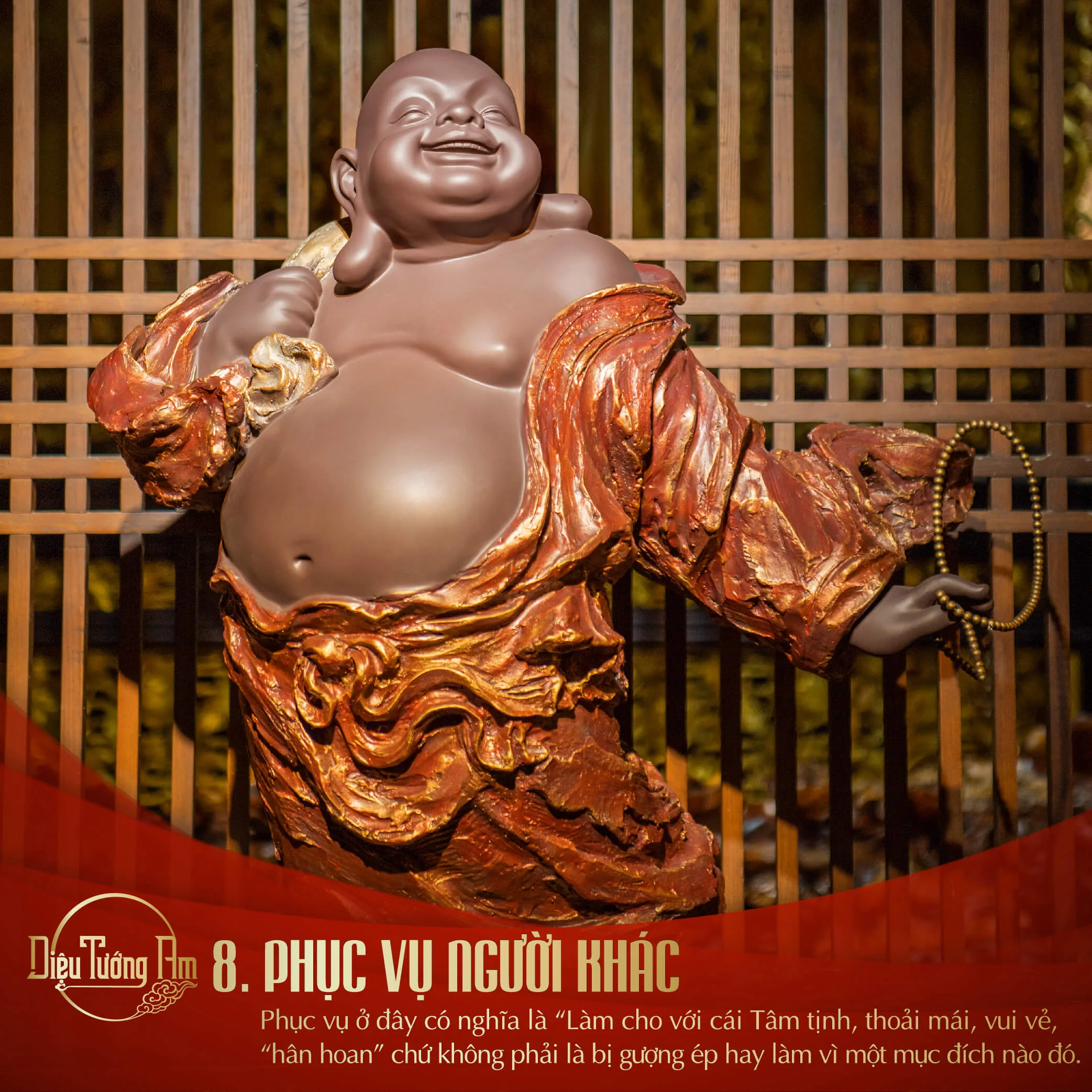
8. Serving Others
Service here means "acting with a pure, at-ease, joyful, and wholehearted mind"—not out of obligation or for some ulterior purpose. Even in the small things you do each day, such as cooking a meal for someone, caring for the sick, or performing volunteer work at a temple, you are already creating merit.
9. Listening to and Teaching the Dharma
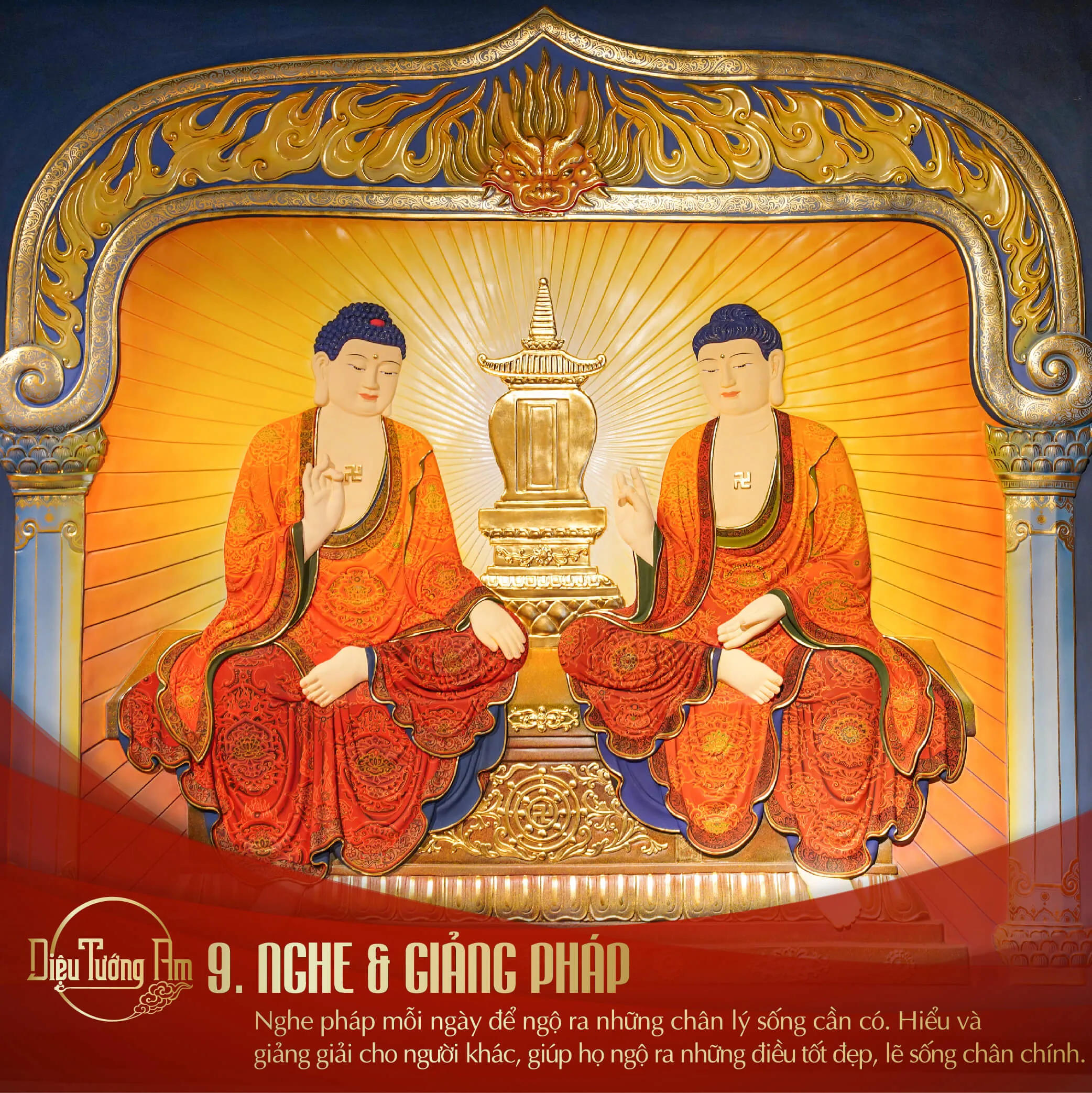
What could be more wonderful than listening to the Dharma each day, awakening to the essential truths of life and staying far from what is harmful to the spirit, from wickedness and evil. Your merit grows even greater when you understand the Dharma and share it with others, helping them awaken to goodness and the righteous way of living.
10. Humility
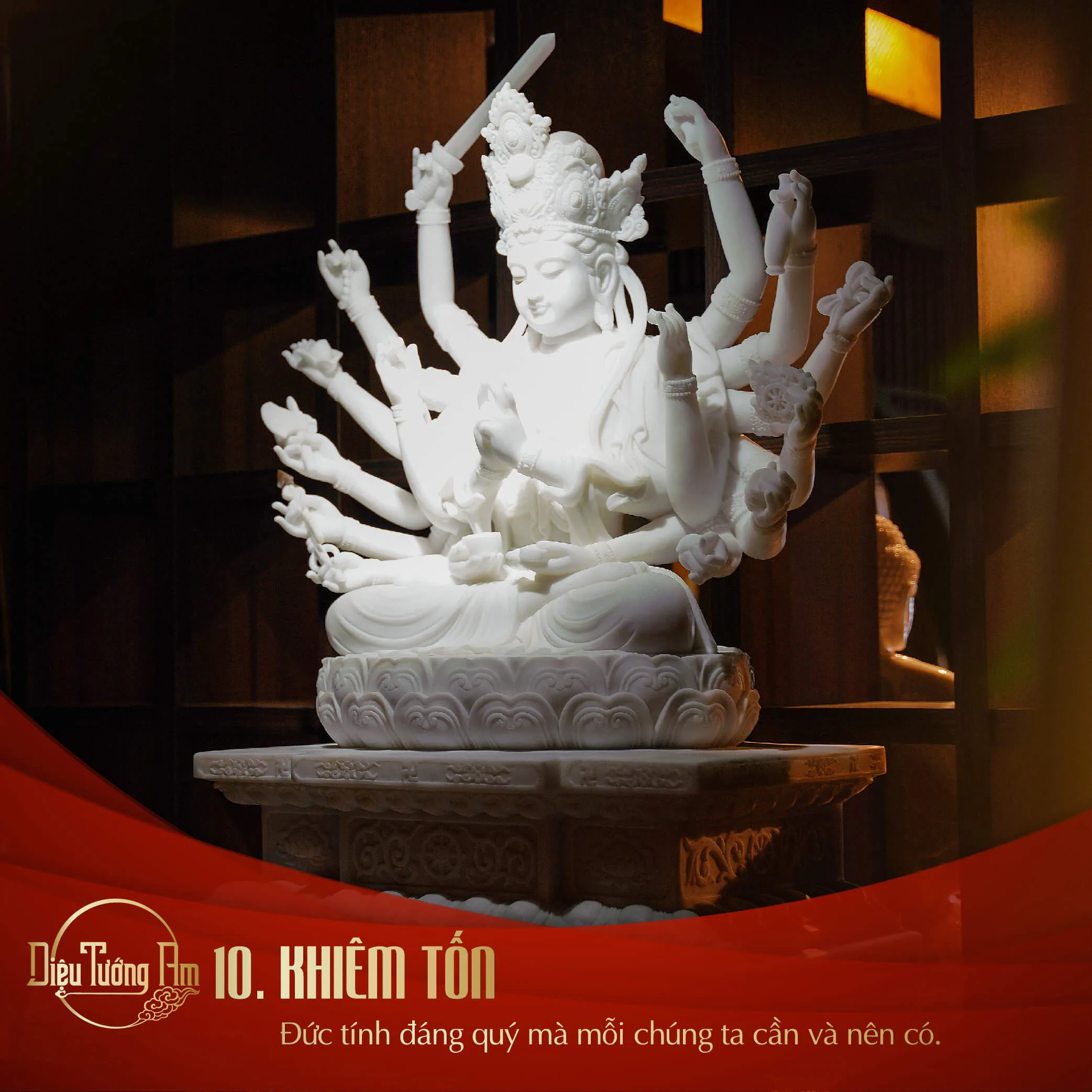
Humility is a precious virtue that each of us needs and should cultivate. A humble person is often cherished, while an arrogant and conceited one is often disliked and avoided.
Merit is "conditioned" and "subject to depletion" (hữu lậu, hữu vi); therefore, always remember that no matter how abundant your merit may be, it will eventually be exhausted if we do not continue to create more through simple daily actions, words, and thoughts. The law of cause and effect spares no one—so do not give unwholesome karma any chance to arise. Instead, actively do good deeds and keep the mind pure; this is what we need and should do to create and accumulate merit!
With deep understanding and reverence for Buddhist culture and the nation's spiritual worship traditions, combined with mastery of feng shui, science, and art, Diệu Tướng Am proudly creates dignified, aesthetically refined worship spaces of lasting value through time. Contact us now for consultation: https://thietkephongtho.dieutuongam.com/